What is IPL and Why It Has Become the Biggest Cricket League in the World

Introduction

The Indian Premier League, popularly known as IPL, is not just a cricket tournament—it is a global sports phenomenon. Since its inception in 2008, IPL has transformed the way cricket is played, watched, and monetized. Combining entertainment, sports, celebrity culture, and business, IPL has become one of the most valuable sporting leagues in the world.

Every year, millions of fans eagerly wait for IPL season. From thrilling matches to last-over finishes, IPL delivers unmatched excitement. But what exactly makes IPL so special? Why is it considered the biggest cricket league globally?

Let’s break it down.

What is IPL?

IPL is a professional Twenty20 cricket league in India organized by the Board of Control for Cricket in India (BCCI). It features franchise-based teams representing different cities.

Each team consists of top international and domestic players. The format is fast-paced, with each match lasting around 3 hours, making it highly engaging for viewers.

How IPL Works

The IPL follows a round-robin and playoff format:

  • Each team plays multiple matches
  • Points are awarded based on wins
  • Top teams qualify for playoffs
  • Finals decide the champion

This structure ensures competition remains intense throughout the tournament.

Why IPL is So Popular

1. Fast-Paced Format

Unlike traditional Test cricket, IPL matches are quick and result-oriented. Every ball matters, which keeps viewers engaged.

2. Star Players

IPL brings together the best players from around the world. Fans get to watch their favorite international stars playing together.

3. Entertainment Factor

IPL is not just about cricket. It includes:

  • Music
  • Cheerleaders
  • Celebrity team owners
  • High-energy stadium atmosphere

4. Unpredictable Matches

IPL is known for its unpredictability. Matches often go down to the last over, making it thrilling for fans.

5. Massive Fan Base

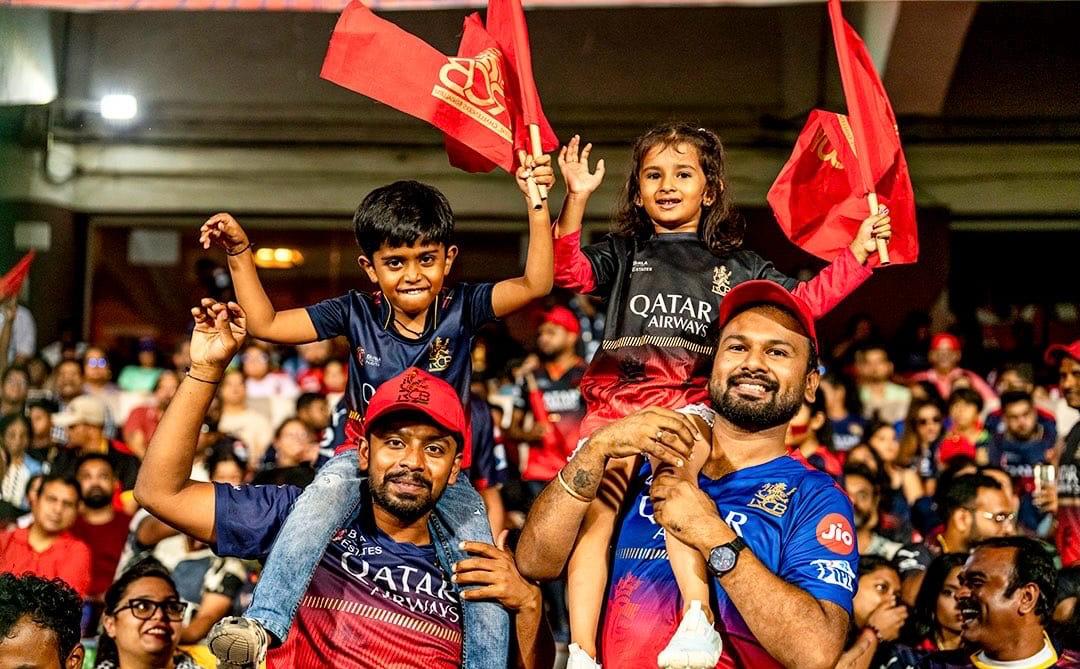
Each team has a loyal fan base. Fans passionately support their teams, creating a strong emotional connection.

Economic Impact of IPL

IPL contributes significantly to the economy:

  • Sponsorship deals worth millions
  • Broadcasting rights generate huge revenue
  • Employment opportunities in multiple sectors

It has become a major business ecosystem.

IPL and Digital Growth

With the rise of digital platforms, IPL viewership has expanded massively:

  • Live streaming apps
  • Social media engagement
  • Real-time updates

Fans can now watch matches anytime, anywhere.

Key Elements That Drive IPL Success

1. Branding

Each team has strong branding and identity.

2. Marketing

Aggressive promotions and campaigns increase reach.

3. Global Appeal

IPL attracts international audiences.

Why Fans Love IPL

Fans love IPL because it offers:

  • Entertainment + competition
  • Quick results
  • Emotional engagement

It is a complete package.

Future of IPL

IPL continues to grow every year:

  • New teams added
  • Higher investments
  • Global expansion possibilities

It is expected to become even bigger in the coming years.

Conclusion

IPL is more than just cricket—it is a blend of sports, entertainment, and business. Its unique format, global players, and massive fan following make it the biggest cricket league in the world.

Whether you are a casual viewer or a hardcore fan, IPL offers something for everyone.

IPL Fan Engagement and Social Media

The Indian Premier League (IPL) has grown into one of the most influential cricket tournaments in the world. This article explores the topic of ipl fan engagement and social media and how it shapes the dynamics of modern T20 cricket. Teams participating in the league constantly experiment with tactics, preparation methods, and player roles to gain a competitive advantage. Modern franchises rely on detailed planning and preparation. Coaches, analysts, and players work together to evaluate performance metrics, pitch conditions, and opposition strategies. Over time, these efforts have transformed the league into a platform where innovation and tactical thinking are just as important as raw talent. Another factor that makes the IPL unique is the combination of experienced international players and young domestic cricketers. This mix allows new talents to learn quickly while contributing energy and fearlessness to their teams.

The result is a tournament filled with dramatic moments, tactical battles, and thrilling finishes. Technology also plays an important role in modern cricket preparation. Teams use video analysis, performance tracking, and statistical insights to improve decision making. By studying patterns in player performances and match situations, franchises can adapt their strategies to different conditions and opponents. Fans around the world follow the league not only for entertainment but also for the tactical evolution of the sport. Each season introduces new ideas such as innovative batting techniques, creative bowling variations, and improved fielding standards. These developments influence cricket beyond the IPL and often shape how the sport is played globally. Ultimately, success in the IPL depends on a team’s ability to adapt quickly. Teams that understand the importance of preparation, teamwork, and strategic planning are more likely to succeed over the course of a demanding tournament season.

The Indian Premier League (IPL) has grown into one of the most influential cricket tournaments in the world. This article explores the topic of ipl fan engagement and social media and how it shapes the dynamics of modern T20 cricket. Teams participating in the league constantly experiment with tactics, preparation methods, and player roles to gain a competitive advantage. Modern franchises rely on detailed planning and preparation. Coaches, analysts, and players work together to evaluate performance metrics, pitch conditions, and opposition strategies. Over time, these efforts have transformed the league into a platform where innovation and tactical thinking are just as important as raw talent. Another factor that makes the IPL unique is the combination of experienced international players and young domestic cricketers. This mix allows new talents to learn quickly while contributing energy and fearlessness to their teams.

The result is a tournament filled with dramatic moments, tactical battles, and thrilling finishes. Technology also plays an important role in modern cricket preparation. Teams use video analysis, performance tracking, and statistical insights to improve decision making. By studying patterns in player performances and match situations, franchises can adapt their strategies to different conditions and opponents. Fans around the world follow the league not only for entertainment but also for the tactical evolution of the sport. Each season introduces new ideas such as innovative batting techniques, creative bowling variations, and improved fielding standards.

These developments influence cricket beyond the IPL and often shape how the sport is played globally. Ultimately, success in the IPL depends on a team’s ability to adapt quickly. Teams that understand the importance of preparation, teamwork, and strategic planning are more likely to succeed over the course of a demanding tournament season. The Indian Premier League (IPL) has grown into one of the most influential cricket tournaments in the world. This article explores the topic of ipl fan engagement and social media and how it shapes the dynamics of modern T20 cricket. Teams participating in the league constantly experiment with tactics, preparation methods, and player roles to gain a competitive advantage. Modern franchises rely on detailed planning and preparation. Coaches, analysts, and players work together to evaluate performance metrics, pitch conditions, and opposition strategies. Over time, these efforts have transformed the league into a platform where innovation and tactical thinking are just as important as raw talent. Another factor that makes the IPL unique is the combination of experienced international players and young domestic cricketers.

This mix allows new talents to learn quickly while contributing energy and fearlessness to their teams. The result is a tournament filled with dramatic moments, tactical battles, and thrilling finishes. Technology also plays an important role in modern cricket preparation. Teams use video analysis, performance tracking, and statistical insights to improve decision making. By studying patterns in player performances and match situations, franchises can adapt their strategies

FAQ

Q: What makes the IPL so popular worldwide?

A: The IPL combines international stars, young domestic players, advanced broadcasting, and exciting match formats.

Q: How do IPL teams prepare for matches?

A: Teams analyze opponents, study pitch conditions, practice match scenarios, and use analytics for planning.

Q: Why are strategies important in T20 cricket?

A: Short match duration means tactical decisions such as bowling changes and batting order can quickly impact results.

Q: How does the IPL help young players?

A: Young players gain exposure by competing with experienced international cricketers.

Q: Does innovation in IPL influence global cricket?

A: Yes, strategies and techniques developed in the IPL often spread to other leagues and international cricket.

Conclusion

The IPL continues to influence modern cricket through strategy, innovation, and exciting performances. As teams refine their preparation and tactics, the league will remain one of the most important platforms for the evolution of T20 cricket.


The Evolution of Powerplay Batting in the IPL

The Indian Premier League has changed the way modern cricket is played and analyzed. Over the years the tournament has become a laboratory of innovation where teams constantly experiment with tactics, player roles, and match strategies. Coaches, analysts, and players spend countless hours studying performances to find even the smallest competitive advantage. One of the biggest reasons for the league’s popularity is the high intensity of T20 cricket. Every over matters, and a small moment can completely change the result of a match. Because of this, franchises invest heavily in preparation, sports science, and strategic planning. Modern IPL teams rely on a mix of experienced international stars and emerging domestic players. This blend creates an exciting environment where young talents learn from world‑class professionals while contributing fresh energy and fearless cricket. Another

major factor behind the IPL’s success is its ability to evolve every season. Teams constantly adjust strategies depending on pitch conditions, player form, and opposition strengths. Coaches and analysts review past matches, evaluate statistical trends, and create match simulations to prepare players for different situations. Technology has also played an important role in the league’s development. Performance tracking tools, video analysis, and advanced statistics help teams understand player strengths and weaknesses more clearly than ever before. With this information, captains can make better decisions regarding bowling changes, batting order adjustments, and field placements. Fans also benefit from this evolution. Matches have become more competitive and entertaining as teams push the boundaries of innovation. Whether it is explosive batting, clever bowling variations, or athletic

fielding, the IPL continues to redefine the standards of T20 cricket. Because the tournament attracts players from around the world, strategies from different cricketing cultures blend together. Australian aggression, English analytics, South African pace bowling traditions, and Indian spin mastery all combine to create a unique cricketing ecosystem. Ultimately the success of any IPL team depends on how well it adapts to pressure situations. Teams that remain flexible, confident, and tactically aware usually perform better across a long season. The combination of skill, planning, and execution is what separates champions from the rest of the competition. The Indian Premier League has changed the way modern cricket is played and analyzed. Over the years the tournament has become a laboratory of innovation where teams constantly experiment with tactics, player roles, and match strategies.

Coaches, analysts, and players spend countless hours studying performances to find even the smallest competitive advantage. One of the biggest reasons for the league’s popularity is the high intensity of T20 cricket. Every over matters, and a small moment can completely change the result of a match. Because of this, franchises invest heavily in preparation, sports science, and strategic planning. Modern IPL teams rely on a mix of experienced international stars and emerging domestic players. This blend creates an exciting environment where young talents learn from world‑class professionals while contributing fresh energy and fearless cricket. Another major factor behind the IPL’s success is its ability to evolve every season. Teams constantly adjust strategies depending on pitch conditions, player form, and opposition strengths. Coaches and analysts review past matches, evaluate

statistical trends, and create match simulations to prepare players for different situations. Technology has also played an important role in the league’s development. Performance tracking tools, video analysis, and advanced statistics help teams understand player strengths and weaknesses more clearly than ever before. With this information, captains can make better decisions regarding bowling changes, batting order adjustments, and field placements. Fans also benefit from this evolution. Matches have become more competitive and entertaining as teams push the boundaries of innovation. Whether it is explosive batting, clever bowling variations, or athletic fielding, the IPL continues to redefine the standards of T20 cricket. Because the tournament attracts players from around the world, strategies from different cricketing cultures blend together. Australian aggression, English analytics,

South African pace bowling traditions, and Indian spin mastery all combine to create a unique cricketing ecosystem. Ultimately the success of any IPL team depends on how well it adapts to pressure situations. Teams that remain flexible, confident, and tactically aware usually perform better across a long season. The combination of skill, planning, and execution is what separates champions from the rest of the competition. The Indian Premier League has changed the way modern cricket is played and analyzed. Over the years the tournament has become a laboratory of innovation where teams constantly experiment with tactics, player roles, and match strategies. Coaches, analysts, and players spend countless hours studying performances to find even

FAQ

Q: What makes the IPL different from other cricket leagues?

A: The IPL combines international star players, young domestic talent, high level broadcasting, and innovative strategies, making it the most competitive T20 league in the world.

Q: Why is strategy so important in T20 cricket?

A: Because matches are short and fast paced, strategic decisions such as batting order, bowling changes, and field placements can directly influence the result.

Q: How do teams prepare for IPL matches?

A: Teams analyze opposition players, practice different match scenarios, study pitch reports, and rely on analytics and coaching insights to prepare.

Q: Why do fans love the IPL so much?

A: The league offers thrilling finishes, powerful batting, global stars, and intense rivalries which make every match exciting to watch.

Q: Does IPL help young cricketers?

A: Yes, many young players gain international exposure and experience by playing alongside some of the best cricketers in the world.

Conclusion

The IPL continues to push the boundaries of modern cricket through innovation, strategy, and thrilling performances. As teams adapt to new tactics and technologies, the tournament will keep evolving and delivering unforgettable moments for cricket fans around the world.


IPL Home vs Away Advantage Analysis 2026 | Venue-Based Betting Strategy Guide

IPL Home vs Away Advantage Analysis 2026

Complete Venue-Based Strategy for Smarter Match Predictions

The Indian Premier League (IPL) is known for explosive batting, world-class bowling, and unpredictable finishes. But beyond star players and team form, one strategic factor often influences match outcomes — home vs away advantage.

Does playing at home really improve a team’s winning chances?

Or is it just a psychological narrative repeated every season?

In this detailed IPL venue-based analysis, we break down historical patterns, team behavior, crowd influence, pitch familiarity, and travel impact to understand how home advantage truly affects match outcomes.

If you want to analyze IPL matches with structure rather than emotion, this guide will help you think strategically.


What Is Home Advantage in IPL?

Home advantage refers to the benefit a team receives when playing at its designated home stadium during the IPL season.

This advantage can come from:

• Familiar pitch conditions
• Crowd support
• Travel comfort
• Practice routines
• Knowledge of ground dimensions

But how strong is this advantage statistically?


Historical IPL Home vs Away Trends

Across multiple IPL seasons:

• Home teams win approximately 52–58% of matches.
• Certain teams dominate at specific venues.
• Some teams perform equally well away from home.

This indicates home advantage exists — but it varies by team and venue.

It is not universal.


Why Home Advantage Exists in IPL

1️⃣ Pitch Familiarity

Teams practice extensively at their home venue.

They understand:

• Bounce behavior
• Spin assistance
• Boundary sizes
• Outfield speed

For example:

A team playing regularly on a slow surface may build a spin-heavy bowling attack.

At home, that strategy becomes highly effective.


2️⃣ Crowd Influence

Crowd energy affects:

• Player morale
• Umpire pressure (subconsciously)
• Momentum swings

When a home crowd supports aggressively:

• Fielders feel energized
• Batters gain confidence
• Bowlers get pumped during key overs

Psychological lift is real in high-intensity matches.


3️⃣ Reduced Travel Fatigue

Away teams often:

• Travel frequently
• Adjust to new climate
• Adapt to unfamiliar conditions

Home teams:

• Stay in known environment
• Follow comfortable routine
• Experience less fatigue

Over a long IPL season, this consistency matters.


Venue-Specific Home Dominance Patterns

Some IPL venues historically show stronger home advantage.

Chennai – Spin-Friendly Fortress

Traditionally slower pitch.

Home team often builds squad around spin bowlers and anchors.

Result:

Home team frequently dominates on slow surfaces.


Mumbai – High Scoring Familiarity

Flat pitch, shorter boundaries.

Home team understands dew patterns better than visiting sides.

Result:

Strong home chasing performance.


Kolkata – Balanced Surface

Home advantage moderate.

Pitch generally balanced, so team quality matters more than venue.


Delhi – Batting Paradise

Short boundaries benefit aggressive batting lineups.

Home side often comfortable chasing large totals.


Each venue behaves differently, so home advantage is situational.


When Home Advantage Is Overrated

There are situations where home advantage becomes less significant:

✔ Neutral venues used during certain seasons
✔ Playoff matches held at alternative grounds
✔ Extremely strong away teams
✔ Balanced pitches without extreme conditions

For example:

If a strong batting team plays away on a flat pitch, they may dominate regardless of venue.


Statistical Breakdown: Home vs Away Winning Patterns

Observations across recent seasons show:

• Top-performing teams often maintain strong away records.
• Lower-ranked teams rely more heavily on home wins.
• Balanced squads perform consistently in both environments.

This suggests that elite teams are less dependent on home advantage.


Psychological Pressure at Home

Interestingly, home advantage can sometimes create pressure.

When:

• Fans expect victory
• Team loses early wickets
• Momentum shifts

The psychological burden increases.

Some teams struggle to handle home crowd expectations.

So home advantage can sometimes become home pressure.


Toss Interaction with Home Advantage

Home advantage strengthens when combined with:

• Favorable toss decision
• Familiar pitch behavior
• Expected dew patterns

For example:

Home team wins toss on known chasing ground with heavy dew forecast.

This compounds the advantage.

But if toss goes against home team, advantage reduces slightly.


Tactical Squad Building Around Home Venue

Smart IPL franchises design squads according to home pitch.

Examples:

• Slow pitch → More spinners, anchor batters
• Flat pitch → Power hitters, death bowlers
• Seaming pitch → Fast bowling depth

When team selection matches home pitch conditions, advantage increases.


Home Advantage in Playoffs

Important observation:

Home advantage often disappears in playoffs because:

• Matches may be held at neutral venues
• Pressure levels increase
• Opponent quality is high

So while home dominance matters in league stage, its influence reduces in knockout matches.


How to Use Home vs Away Data Strategically

Before analyzing an IPL match:

  1. Check home team’s win percentage at venue.
  2. Compare away team’s away record.
  3. Review pitch history.
  4. Study last 3 meetings at that ground.
  5. Evaluate squad suitability to venue.

Structured preparation improves predictive clarity.


Example Scenario Analysis

Scenario:

Home Team:
• 70% win rate at venue
• Strong spin attack
• Pitch traditionally slow

Away Team:
• Struggles against spin
• Poor record at same venue

Probability leans toward home side — assuming similar form.

But if away team recently strengthened spin resistance, advantage narrows.

Always update analysis with current data.


When Away Teams Have Advantage

Sometimes away teams benefit due to:

• Less pressure
• Underdog mindset
• Tactical surprises
• Fresh pitch conditions

In T20 cricket, small margins can shift quickly.

Never assume home team automatically wins.


Long-Term Strategic Insight

Over a full IPL season:

• Home advantage provides small statistical edge.
• Combining venue familiarity + squad suitability strengthens predictions.
• Ignoring venue trends reduces analytical accuracy.

Home advantage is a variable — not a guarantee.


Responsible Betting Reminder

Even strong home trends can break:

• Exceptional innings
• Unexpected collapses
• Weather disruptions
• Super over scenarios

Maintain disciplined bankroll management.

Do not overexpose based solely on venue narrative.


Final Conclusion

IPL home vs away advantage is real — but situational.

It becomes strongest when:

✔ Pitch suits home squad
✔ Crowd support energizes team
✔ Toss aligns with venue trend

It weakens when:

✔ Teams are evenly matched
✔ Pitch is neutral
✔ Playoff pressure dominates

Smart IPL analysis combines:

Venue History + Team Composition + Current Form + Toss Impact

When used strategically, home vs away analysis becomes a powerful decision-making tool rather than a superficial statistic.


Frequently Asked Questions (FAQ)

1. Do home teams win more in IPL?
Yes, historically home teams win slightly more than away teams, but the margin is not overwhelming.


2. Is home advantage stronger at certain venues?
Yes. Spin-friendly or condition-specific venues often increase home dominance.


3. Does home advantage matter in IPL playoffs?
Less than league matches, especially when playoffs are played at neutral venues.


4. Should betting decisions rely only on home advantage?
No. Combine venue data with team form, pitch report, and toss outcome.


5. Can away teams dominate IPL?
Yes. Strong, well-balanced teams often maintain excellent away records.


IPL Pitch Report Analysis


BLOG #1
(Topic: IPL Pitch Report Analysis – No Website Mention)


🟢 Meta Title:


IPL Pitch Report Analysis Guide 2026

Complete Venue-Based Strategy for Smarter Cricket Betting

The Indian Premier League (IPL) is one of the most competitive and unpredictable T20 tournaments in the world. While most bettors focus on star players and recent team form, experienced analysts understand that the real edge often lies in pitch report analysis.

In IPL 2026, venue conditions will once again play a decisive role in determining match totals, wicket patterns, and overall momentum. This guide explains how to properly analyze IPL pitch reports and use them strategically without relying on guesswork.


Why Pitch Report Is Critical in IPL Matches

Every IPL venue has unique characteristics. Unlike bilateral series played in limited venues, IPL matches are hosted across multiple cities in India.

Pitch conditions influence:

• Total runs scored
• Powerplay scoring patterns
• Spinner vs pacer effectiveness
• Wicket frequency
• Chase vs defend success rate

Ignoring pitch conditions often leads to emotional betting decisions instead of data-driven ones.


Types of IPL Pitches and Their Impact

1️⃣ Flat Batting Surface

These pitches are hard, evenly rolled, and offer consistent bounce.

Key Features:
• Minimal lateral movement
• Ball comes nicely onto the bat
• Shorter boundaries in some venues

Match Impact:
• High scoring matches
• 180+ totals common
• Strong benefit to aggressive top-order batters

On such pitches, matches often become batting contests rather than bowling battles.


2️⃣ Slow and Dry Surface

These pitches are common in certain Indian venues where the surface is dry and slightly cracked.

Key Features:
• Ball grips and turns
• Slower pace
• Uneven bounce in later stages

Match Impact:
• Totals between 150–170
• Spinners dominate middle overs
• Batters struggle after powerplay

These matches often reward patient batting rather than aggressive stroke play.


3️⃣ Seaming or Green Surface

Less common in IPL but possible early in the season.

Key Features:
• Grass covering
• Early swing
• Seam movement

Match Impact:
• Early wickets
• Lower powerplay scores
• Strong advantage for quality fast bowlers

Understanding this type of pitch helps anticipate a lower scoring contest.


Venue-Wise General Tendencies in IPL

Although pitches can vary year to year, historical patterns provide guidance.

Mumbai
• True bounce
• High scoring
• Dew often plays a major role

Chennai
• Traditionally slow
• Assists spinners
• Lower scoring compared to Mumbai

Kolkata
• Balanced conditions
• Batting-friendly early
• Slows slightly later

Delhi
• Short boundaries
• High scoring potential

Hyderabad
• Mixed behavior
• Often slightly slower surface

Studying past seasons helps identify patterns before match day.


How to Read Pitch Reports Properly

Before the toss, commentators and experts share pitch observations. Instead of passively listening, focus on these clues:

• “Hard and even surface” → Likely high scoring
• “Cracks visible” → May assist spinners later
• “Grass cover retained” → Early seam movement possible
• “Used surface” → Slower and lower bounce

These insights help form pre-match expectations.


Dew Factor and Night Matches

Dew significantly affects night games in IPL.

When dew is expected:
• Bowlers struggle with grip
• Spinners become less effective
• Chasing becomes easier

When dew is absent:
• Pitch remains consistent
• Defending totals becomes more viable

Always factor weather conditions into your analysis.


Toss and Pitch Relationship

Pitch type often influences toss decisions.

On slow surfaces:
• Captains may prefer batting first to avoid deteriorating conditions.

On dew-prone grounds:
• Teams prefer chasing.

Observing historical toss decisions at specific venues can reveal patterns.


Combining Pitch Data with Team Strength

Pitch alone does not guarantee accurate prediction. Combine it with:

• Team batting depth
• Spin resources
• Death bowling ability
• Recent form

Example:

If pitch supports spin and one team has quality spin options, their advantage increases significantly.


Advanced Analytical Approach

To improve decision-making:

  1. Study last 5 IPL matches at same venue.
  2. Note average first innings score.
  3. Identify common wicket-taking phases.
  4. Observe boundary dimensions.
  5. Monitor weather forecast before match.

Structured preparation leads to better judgment.


Common Mistakes to Avoid

• Ignoring pitch report completely
• Following crowd bias
• Betting before toss on dew-heavy grounds
• Overreacting to one over of play
• Assuming every IPL match will be high scoring

IPL conditions vary widely; assumptions reduce accuracy.


Example Scenario Analysis

Scenario 1:
Venue average first innings score: 165
Market total line: 185

This difference indicates potential value on lower totals if conditions remain consistent.

Scenario 2:
Pitch described as dry and slow
Team A has 3 quality spinners
Team B struggles against spin

Strategic decision-making becomes clearer.


Long-Term Advantage of Pitch-Based Strategy

Over a full IPL season:

• Data-driven decisions outperform emotional betting
• Venue analysis reduces randomness
• Risk exposure becomes more controlled

Pitch understanding builds consistent thinking.


Responsible Approach Reminder

Even with perfect pitch reading:

• Cricket remains unpredictable
• One exceptional innings can change match flow

Always:

• Set a fixed budget
• Avoid chasing losses
• Stay disciplined
• Focus on long-term strategy


Conclusion

IPL 2026 will once again showcase diverse playing conditions across India. Pitch report analysis is not just commentary detail—it is a strategic advantage.

Smart decision-making requires:

Pitch Type + Venue History + Team Combination + Toss Impact

When you analyze these elements together, your betting decisions become structured rather than speculative.

Mastering pitch behavior is one of the strongest foundations for consistent IPL betting strategy.


Frequently Asked Questions (FAQ)

1. How important is pitch report in IPL betting?
It is extremely important because pitch conditions directly influence scoring patterns, wicket fall, and match outcome probabilities.


2. Which IPL venue produces highest scores?
Historically, Mumbai and Delhi have produced higher scoring matches due to flatter pitches and shorter boundaries.


3. Does pitch change during the match?
Yes. Some pitches slow down as the game progresses, especially in hot and dry conditions.


4. Should I wait for toss before betting?
If dew or pitch deterioration is expected, waiting for toss provides better clarity.


5. Is pitch analysis alone enough?
No. Combine pitch study with team form, player matchups, and weather conditions.

T20 World Cup 2026: Key Batting Partnerships That Could Decide Matches

In the ICC T20 World Cup 2026, individual brilliance often grabs headlines—but consistent batting partnerships are what truly win matches. A strong opening or middle-order stand sets the tone, stabilizes the innings, and enables acceleration at the right moment.

Understanding partnerships is essential for:

  • Accurate match predictions
  • Smarter fantasy cricket strategies
  • Identifying high-impact player combinations

This guide explores the batting partnerships most likely to define the tournament.


Why Partnerships Matter in T20 Cricket

Despite the fast pace of T20 cricket, one solid partnership can:

  • Build momentum during the powerplay
  • Anchor the innings after early wickets
  • Set up explosive finishes
  • Provide stability under pressure

Historically, teams with partnerships exceeding 50–60 runs for the first two wickets have a significantly higher win percentage.


Powerplay Partnerships: Setting the Tone

The first six overs are crucial in T20 cricket:

  • Early partnerships prevent collapses
  • Openers exploit fielding restrictions
  • Pressure is reduced on middle-order batters

Top duos to watch in 2026:

  • Jos Buttler & Phil Salt (England)
  • Rohit Sharma & Shubman Gill (India)
  • Babar Azam & Mohammad Rizwan (Pakistan)

These combinations have consistently delivered strong starts and can dominate the powerplay phase.


Middle-Order Partnerships: Stability & Acceleration

When early wickets fall, middle-order partnerships become critical.

They help to:

  • Stabilize innings
  • Rotate strike efficiently
  • Build a platform for the final overs

Key players known for impactful middle-order contributions include:

  • Travis Head
  • Glenn Maxwell
  • David Warner

Such players can shift match momentum through calculated partnerships.


Big-Hitting Combos for Death Overs

Late-innings partnerships can completely change the scoreboard:

  • Turn 150 into 200+ totals
  • Control aggression without losing wickets
  • Maximize scoring in the final 4–5 overs

Dangerous finishing combinations include:

  • Jos Buttler & Ben Stokes (England)
  • Andre Russell & Nicholas Pooran (West Indies)

Fantasy players often benefit significantly from such explosive death-over stands.


Historical Trends of Successful T20 Partnerships

Data from past T20 World Cups shows:

  • 50+ opening stands significantly increase winning probability
  • 40+ middle-order partnerships often rescue teams after early setbacks
  • Strong death-over partnerships are key to successful chases

These trends highlight that partnerships—not just individual centuries—decide matches.


Fantasy Cricket Implications

For fantasy cricket players:

  • Focus on players who consistently bat together
  • Selecting both members of a strong partnership can maximize returns
  • Captain/vice-captain decisions should consider partnership potential
  • Powerplay and death-over batters typically earn higher points

Strategic partnership analysis can provide a major fantasy edge.


Conclusion

In the ICC T20 World Cup 2026, partnerships will define outcomes:

  • Strong opening stands create stability
  • Middle-order partnerships rebuild and accelerate
  • Death-over duos can seal matches dramatically

Teams that maintain consistent and impactful partnerships will have the greatest chance of lifting the trophy. For fans and fantasy players alike, analyzing batting duos is just as important as evaluating individual stars.


FAQs

Why are batting partnerships important in T20 cricket?
They provide stability, momentum, and allow controlled acceleration.

Which partnerships are crucial in powerplay overs?
Opening duos like Rohit Sharma & Shubman Gill can set strong foundations.

How do middle-order partnerships influence results?
They recover innings after early wickets and prepare for final overs.

Are death-over partnerships important for fantasy cricket?
Yes, explosive late-innings stands generate high fantasy points.

Do partnerships impact match predictions?
Yes, teams with consistent high-scoring partnerships have better win percentages.

Can new partnerships emerge during the tournament?
Absolutely. Unexpected duos often create match-winning stands.

Which venues favor large partnerships?
Flat batting pitches support longer partnerships, while spin-friendly tracks limit them.

Should fantasy players pick both members of a partnership?
Yes, if they consistently score together.

What is the ideal opening stand in T20 World Cups?
50+ runs in the first six overs provides a strong base.

Can partnerships rescue teams from collapse?
Yes, solid middle-order stands often prevent total collapses and build competitive totals.

T20 World Cup 2026: High-Scoring Venues and Their Impact on Matches

In T20 cricket, the venue often plays a crucial role in determining match outcomes. Certain stadiums are known for high-scoring games, favoring batters, big hitters, and fast-paced scoring. Understanding these trends is essential for teams, fantasy players, and bettors in the ICC Men’s T20 World Cup 2026.

This guide explores the top high-scoring venues, historical trends, and their impact on batting, bowling, fantasy cricket, and betting strategies.


Why Venue Analysis Matters in T20 Cricket

Venue conditions affect:

  • Pitch behavior (flat, spinning, seaming)

  • Boundary sizes and scoring patterns

  • Dew factor and match timing

  • Toss decisions and team strategies

Historically, high-scoring venues allow teams to chase or set totals exceeding 180–200 runs in 20 overs.


Top High-Scoring Venues Likely in T20 World Cup 2026

1. Narendra Modi Stadium

  • Average T20 total: 180–190

  • Pitch: Flat and batting-friendly

  • Strategy: Explosive openers, boundary-heavy middle overs

  • Fantasy Impact: Big points for top-order batters and finishers

2. Eden Gardens

  • Average T20 total: 170–185

  • Pitch: Slow and assists spinners

  • Strategy: Rotate strike, utilize spinners in middle overs

  • Fantasy Impact: High points for spin-bowling all-rounders

3. M. Chinnaswamy Stadium

  • Average T20 total: 175–190

  • Pitch: Flat, favoring big hitters

  • Strategy: Aggressive batting from powerplay to death overs

  • Fantasy Impact: Maximum points for explosive batters and finishers

4. Sydney Cricket Ground

  • Average T20 total: 165–180

  • Pitch: Seaming early, flattening later

  • Strategy: Early pacers, rotate strike in middle overs

  • Fantasy Impact: Balanced points for pacers and all-rounders

5. Queen’s Park Oval

  • Average T20 total: 170–185

  • Pitch: Batting-friendly with short boundaries

  • Strategy: Exploit powerplay, accelerate in death overs

  • Fantasy Impact: High scoring potential for openers and finishers


How High-Scoring Venues Affect Batting Strategy

  • Encourages aggressive powerplay hitting

  • Middle-order batters focus on boundary rotation and strike acceleration

  • Finishers aim for big hits in death overs to maximize totals

  • Teams often select high-impact all-rounders to exploit scoring conditions


How High-Scoring Venues Affect Bowling Strategy

  • Bowlers must adapt to flat pitches

  • Variations, slower balls, and precise yorkers become crucial

  • Spin bowlers rely on turn and variation to control scoring

  • Death-over specialists are essential to restrict big totals


Fantasy Cricket Implications

  • Top-order explosive batters gain maximum points

  • All-rounders contribute in both batting and bowling categories

  • Death-over finishers and wicket-taking bowlers maximize fantasy points

  • Venue-specific performance history is key for selection

Examples:

  • Jos Buttler scoring 50+ runs at M. Chinnaswamy Stadium → maximum fantasy points

  • Rashid Khan taking 2 wickets + 10 dot balls at Eden Gardens → balanced multi-category points


Betting Insights

  • High-scoring venues affect total runs, over-by-over, and match-winner bets

  • Fantasy and betting predictions should consider venue trends

  • Teams batting first in high-scoring venues often aim for 180+ totals

  • Chasing teams adjust strategies based on target and dew conditions


Historical High-Scoring T20 Trends

  • Average scores exceeding 175 in final matches often result in wins for teams with explosive openers

  • Teams with 50+ opening partnerships win approximately 65% of matches in high-scoring venues

  • Death-over wicket-takers frequently determine match outcomes


Conclusion

High-scoring venues in the T20 World Cup 2026 will significantly influence matches. Understanding venue conditions helps teams and fans:

  • Select ideal batting and bowling strategies

  • Maximize fantasy cricket points

  • Make informed betting decisions

Key venues like Narendra Modi Stadium, M. Chinnaswamy Stadium, and Eden Gardens favor explosive scoring and strategic match planning. Teams and analysts who study these trends gain a competitive edge.


FAQs

Which venues are known for high scores in T20 cricket?

Narendra Modi Stadium, M. Chinnaswamy Stadium, Eden Gardens, Sydney Cricket Ground, and Queen’s Park Oval.

How do high-scoring venues affect batting strategy?

They encourage aggressive openers, boundary-heavy middle overs, and explosive finishers.

How do high-scoring venues affect bowling strategy?

Bowlers rely on variations, slower balls, spin, and precise yorkers to restrict scoring.

Should fantasy players consider venue trends?

Yes, venue history strongly impacts player scoring potential and fantasy points.

Can the toss influence high-scoring matches?

Yes, teams may choose to bat first to set a challenging total or chase strategically.

Which players benefit most at high-scoring venues?

Explosive openers, finishers, and multi-category all-rounders.

How do death-over specialists perform in high-scoring venues?

They play a crucial role in restricting runs and taking wickets in the final overs.

Can historical scoring trends predict match outcomes?

Yes, past performance at a venue is often a strong indicator of potential totals.

Are high-scoring venues favorable for fantasy points?

Absolutely. They allow batters and all-rounders to maximize contributions.

How should teams adjust strategies at high-scoring venues?

Balance batting aggression, bowling variations, and field placements to exploit conditions effectively.

T20 World Cup Batting Partnerships That Made History

Introduction: T20 cricket is fast-paced, but some matches are defined by crucial partnerships that stabilize innings or accelerate scoring. Strong batting partnerships have historically changed the course of T20 World Cup games, providing memorable moments and valuable fantasy cricket points. This blog highlights the most impactful partnerships, trends, and strategies for fantasy selection.

Brendon McCullum & Martin Guptill – New Zealand 2012Partnership: 145 runs in group stage against Bangladesh – Impact: Set a solid platform for a high total and eventual win – Fantasy Insight: Opening partnerships provide early points in fantasy cricket, especially for both players involved

Chris Gayle & Marlon Samuels – West Indies 2012Partnership: 166 runs against Sri Lanka in the Super 8 stage – Impact: Gayle’s explosive hitting combined with Samuels’ steady scoring set a massive total – Fantasy Insight: Combining a high-risk hitter with a stabilizer often maximizes points

Virat Kohli & Rohit Sharma – India 2016Partnership: 140 runs against New Zealand in group stage – Impact: Built a platform for India’s chase, showcasing consistency and high run rate – Fantasy Insight: Experienced international batsmen in strong partnerships provide reliable fantasy points

Eoin Morgan & Alex Hales – England 2016Partnership: 120 runs against South Africa – Impact: Aggressive top-order stand led to a competitive total, pressuring opposition
Fantasy Insight: Partnerships at the top of the order are crucial for captain/vice-captain picks

Babar Azam & Mohammad Rizwan – Pakistan 2022Partnership: 203 runs against India
Impact: Record-setting stand, one of the highest in T20 World Cup history
Fantasy Insight: Consistent middle-order partnerships yield sustained points and reduce risk of collapses

AB de Villiers & Faf du Plessis – South Africa 2016Partnership: 130 runs in group match against England
Impact: Helped chase down a massive total with aggressive hitting and rotations
Fantasy Insight: Players who complement each other in style (finisher + anchor) maximize fantasy points

Emerging Partnerships to Watch in 2026 – Shreyas Iyer & Rishabh Pant (India) – Middle-order acceleration potential
– Ibrahim Zadran & Rahmanullah Gurbaz (Afghanistan) – Aggressive top-order threat
– Sam Curran & Jos Buttler (England) – Lower-order finishing and boundary hitting

Fantasy Insight: Emerging partnerships can produce high returns in fantasy leagues, often unnoticed by casual players

Key Batting Partnership Trends in T20 World Cups – Opening partnerships set the pace, providing immediate fantasy points
– Middle-order partnerships anchor innings and accelerate in the death overs
– Complementary styles (anchor + finisher) often yield maximum points
– Partnerships that survive powerplay and middle overs stabilize fantasy scoring potential

FAQs About T20 World Cup Batting Partnerships

Q1: Which are the most record-breaking partnerships in T20 World Cups?

A: Babar Azam & Mohammad Rizwan (203 runs), Chris Gayle & Marlon Samuels (166 runs), and Virat Kohli & Rohit Sharma (140 runs).

Q2: How do partnerships affect fantasy cricket points?

A: Both batsmen earn points, and long, high-scoring partnerships maximize cumulative fantasy points.

Q3: Are opening or middle-order partnerships more valuable?

A: Opening partnerships provide quick points, while middle-order stands offer consistency and stability.

Q4: Should emerging players in partnerships be selected for fantasy teams?

A: Yes, sleeper pairings can yield high returns if they perform well.

Q5: How does playing style influence partnership fantasy value?

A: Anchor + finisher combinations often optimize fantasy points, balancing steady scoring with explosive hits.

Conclusion: Memorable batting partnerships have defined T20 World Cup history, shaping matches and providing valuable fantasy cricket points. From legendary pairings like Gayle & Samuels to emerging stars like Ibrahim Zadran & Rahmanullah Gurbaz, partnerships amplify scoring potential and enhance strategic decision-making for fantasy players. Understanding trends and player combinations can give fantasy enthusiasts a winning edge in T20 World Cup 2026.

T20 World Cup Batting Trends: Most Consistent Star Performers

Introduction: The T20 World Cup has always highlighted explosive and high-pressure batting performances. Over the years, certain players have consistently stood out, adapting to conditions, delivering under pressure, and accumulating fantasy points. Understanding batting trends of star performers can guide fans, analysts, and fantasy cricket enthusiasts in making informed decisions.

Virat Kohli – The Consistency King Virat Kohli’s record in T20 World Cups is remarkable. Known for his consistency and ability to chase, he is a top pick for fantasy cricket players.

Batting Trends: – Strong performance in run chases – Consistent scoring in the middle overs – Low-risk approach with high strike rotation

Fantasy Impact: Kohli’s consistency makes him a reliable captain or vice-captain in fantasy cricket, maximizing points across matches.

Babar Azam – Elegant and Steady Babar Azam is Pakistan’s batting linchpin with a balanced mix of aggression and stability.

Batting Trends: – Smooth strike rotation and minimal dot balls – Ability to anchor innings during crunch moments – High average in T20 World Cup matches

Fantasy Impact: Babar provides steady fantasy points and is an excellent pick in balanced squads.

Jos Buttler – Explosive Finisher England’s Jos Buttler is renowned for power-hitting and match-finishing capabilities.

Batting Trends: – High strike rate, especially in death overs – Effective against spin and pace alike – Ability to turn low totals into competitive scores

Fantasy Impact: His high-risk, high-reward style can generate massive fantasy points, particularly as captain or vice-captain.

Rohit Sharma – The Power Opener Rohit Sharma’s explosive starts often set the platform for big totals.

Batting Trends: – Aggressive opening strategy – Frequent boundaries and sixes in the powerplay – Big innings in favorable batting conditions

Fantasy Impact: Rohit’s early runs provide consistent points for fantasy squads, making him a preferred opener pick.

David Warner – Aggressive Left-Hander Australia’s David Warner combines aggression with adaptability.

Batting Trends: – High strike rate at top-order position – Strong against fast bowlers – Consistency in IPL and international T20s translates to World Cup

Fantasy Impact: Warner is a reliable high-score contributor, often delivering points in multiple matches.

Shakib Al Hasan – All-Round Batting Contribution While primarily an all-rounder, Shakib contributes heavily with the bat.

Batting Trends: – Middle-order stabilizer – Ability to accelerate scoring in final overs – Adapts to both subcontinental and overseas pitches

Fantasy Impact: Shakib adds dual value with batting and bowling points, increasing squad efficiency.

Andre Russell – The X-Factor Andre Russell is known for match-turning power-hitting in T20s.

Batting Trends: – Explosive finishing in the last 5 overs – High six-hitting ability – Occasional high-scoring innings regardless of position

Fantasy Impact: Russell’s big-hitting capabilities make him ideal for captaincy in high-stakes fantasy games.

KL Rahul – Flexible and Versatile KL Rahul has emerged as a versatile T20 opener/middle-order batsman.

Batting Trends: – Steady scoring with the ability to accelerate – Effective against spin-heavy attacks – Performs well in subcontinental conditions

Fantasy Impact: His flexibility in batting position and steady scoring offer consistent fantasy points.

Emerging Stars – Sleeper Batting Picks Emerging players often outperform expectations and yield massive fantasy points.

Examples: – Shreyas Iyer (India) – Middle-order anchor with finishing ability – Ibrahim Zadran (Afghanistan) – Fearless top-order batsman – Sam Curran (England) – Can contribute in both batting and bowling

Fantasy Impact: These players are low-cost options in fantasy squads, offering high upside potential.

Batting Trends to Watch in T20 World Cup 2026 – Openers scoring big in powerplay overs often correlate with high fantasy points. – Middle-order batsmen who rotate strike efficiently reduce dot balls and accumulate points. – Death-over power-hitters provide crucial points with sixes and boundaries. – Players with consistency across multiple matches outperform high-risk one-off scorers.

FAQs About T20 World Cup Batting Trends

Q1: Who are the most consistent batsmen in T20 World Cups? A: Virat Kohli, Babar Azam, Rohit Sharma, and Jos Buttler are among the most consistent performers.

Q2: How do batting trends affect fantasy cricket picks? A: Understanding trends helps select high-scoring, consistent players for captaincy and vice-captaincy roles.

Q3: Are all-rounders valuable for batting points? A: Yes, all-rounders like Shakib Al Hasan contribute in both batting and bowling, maximizing fantasy points.

Q4: Should I pick emerging players in fantasy squads? A: Yes, sleeper or emerging players can yield high returns with low selection cost.

Q5: What batting positions offer the highest fantasy points? A: Openers and death-over finishers usually generate the most points due to boundaries, strike rate, and finishing potential.

Conclusion: Analyzing batting trends in T20 World Cups reveals patterns that help fans and fantasy players make informed decisions. Consistent performers like Virat Kohli and Babar Azam, explosive finishers like Jos Buttler and Andre Russell, and emerging stars can shape match outcomes and maximize fantasy points. By understanding these trends, you can optimize your fantasy cricket strategy for the 2026 tournament.

Advanced T20 World Cup 2026 Betting Strategies for Experienced Players

Introduction: For experienced bettors, the T20 World Cup 2026 offers a wealth of opportunities to leverage advanced strategies for higher profits. This guide explores in-depth tactics, statistical analysis, live betting methods, bankroll optimization, risk management, and SEO-optimized long-tail keywords. Whether you aim for fantasy cricket success or real money betting, these strategies are designed to maximize efficiency, minimize risks, and improve decision-making.

Advanced Research and Analytics – Go beyond basic statistics by analyzing ball-by-ball data, player match-ups, pitch behavior, and historical trends. – Use platforms like CricViz, ESPN CricInfo Statsguru, and official ICC statistics. – Long-tail keywords: “advanced T20 World Cup betting analytics 2026”, “cricket match data analysis for profitable betting”

Strategy: – Evaluate batting vs bowling records in similar conditions. – Track player fatigue, rotation policies, and match scheduling.

In-Depth Player Performance Analysis – Identify key performers using metrics such as strike rate, average, dot ball percentage, economy rate, and boundary percentage. – Consider situational performance: powerplay, middle overs, death overs. – Long-tail keywords: “T20 World Cup player performance insights”, “how to analyze players for advanced betting strategies”

Strategy: – Combine statistical analysis with real-time observations. – Adjust betting decisions based on recent form and opposition strengths.

Advanced Bet Type StrategiesMatch Winner & Top Performer Bets: Use weighted analytics to select undervalued odds. – Over/Under Total Runs Bets: Incorporate pitch data, team composition, and recent scoring trends. – In-Play Betting: Leverage momentum swings, batting partnerships, and bowler form. – Long-tail keywords: “advanced T20 betting strategies 2026”, “how to profit from in-play T20 bets”

Strategy: – Use a mix of pre-match and live bets. – Apply hedge betting to reduce risk exposure.

Bankroll Optimization for Experienced Bettors – Allocate bankroll across multiple bet types and risk levels. – Use staking plans: flat betting, percentage-based betting, or Kelly Criterion. – Long-tail keywords: “T20 World Cup bankroll management for experts”, “advanced money management cricket betting 2026”

Strategy: – Limit maximum exposure per bet. – Reallocate funds based on performance metrics and confidence levels.

Live Betting and Momentum Analysis – Track live match indicators: partnerships, run rate, wickets, over progression. – Bet on next wicket, boundary, or in-play match outcomes. – Long-tail keywords: “T20 World Cup live betting expert tips”, “analyzing live cricket momentum for betting”

Strategy: – Avoid emotional decisions; rely on live data and predictive models. – Use multiple screens for comprehensive match tracking.

Betting on Player Roles and Situations – Focus on all-rounders who contribute across metrics. – Predict middle-order stabilizers and finishers for total runs bets. – Include bowlers likely to bowl in death overs for wicket-related bets. – Long-tail keywords: “advanced player role betting T20 World Cup”, “situational cricket betting strategies”

Strategy: – Analyze player deployment and team strategy. – Adjust bets based on predicted overs allocation.

Using Advanced Statistical Models – Apply regression analysis, machine learning predictions, and probability modeling. – Combine historical data with live metrics to refine predictions. – Long-tail keywords: “machine learning T20 cricket betting strategies”, “advanced statistical models for betting predictions”

Strategy: – Test models on previous seasons to validate accuracy. – Update parameters based on current season data.

Leveraging Odds Movement – Track fluctuations in odds across multiple platforms. – Identify arbitrage opportunities or value bets. – Long-tail keywords: “T20 World Cup odds analysis 2026”, “profitable cricket betting through odds movement”

Strategy: – Bet early when odds are undervalued. – Hedge positions if odds shift favorably in live betting.

Diversification Across Matches and Markets – Spread bets across teams, players, and markets. – Avoid concentrating bankroll on a single high-risk bet. – Long-tail keywords: “diversified T20 betting strategies”, “how to spread cricket bets for profit”

Strategy: – Combine safe bets with high-potential bets for balance. – Monitor outcomes and refine future allocations.

Using Bonuses and Promotions Strategically – Utilize welcome bonuses, free bets, and deposit matches. – Apply them to test new strategies or high-risk bets. – Long-tail keywords: “maximize T20 betting bonuses 2026”, “strategic use of promotions in cricket betting”

Strategy: – Read and understand terms to maximize benefit. – Avoid risking your main bankroll unnecessarily.

Risk Management and Responsible Betting – Set limits, avoid impulsive decisions, and track betting activity. – Use loss limits, win goals, and break intervals. – Long-tail keywords: “advanced responsible betting T20 World Cup”, “risk management for expert cricket bettors”

Strategy: – Document all bets for performance review. – Adjust strategies based on observed outcomes and risk appetite.

FAQs for Advanced Bettors

Q1: How do advanced bettors make consistent profits?

A1: By combining statistical analysis, live betting, bankroll optimization, and disciplined risk management.

Q2: Can analytics improve in-play betting decisions?

A2: Yes, predictive modeling and live metrics enhance decision-making for momentum-based bets.

Q3: Is diversification necessary for experts?

A3: Yes, it minimizes risk and balances potential gains across multiple bets.

Q4: How should bonuses be used by experienced bettors?

A4: Apply them strategically for testing new strategies or enhancing high-value bets.

Q5: Are advanced statistical models reliable?

A5: They provide probabilities but should be combined with real-time insights for optimal results.


Conclusion: Advanced betting strategies for T20 World Cup 2026 combine deep statistical analysis, live monitoring, bankroll optimization, odds tracking, and responsible betting practices. By leveraging these approaches, experienced bettors can maximize profits, minimize risks, and make informed decisions in both fantasy cricket and real money betting. Incorporating long-tail keywords and data-driven strategies ensures a competitive edge for serious T20 World Cup participants.