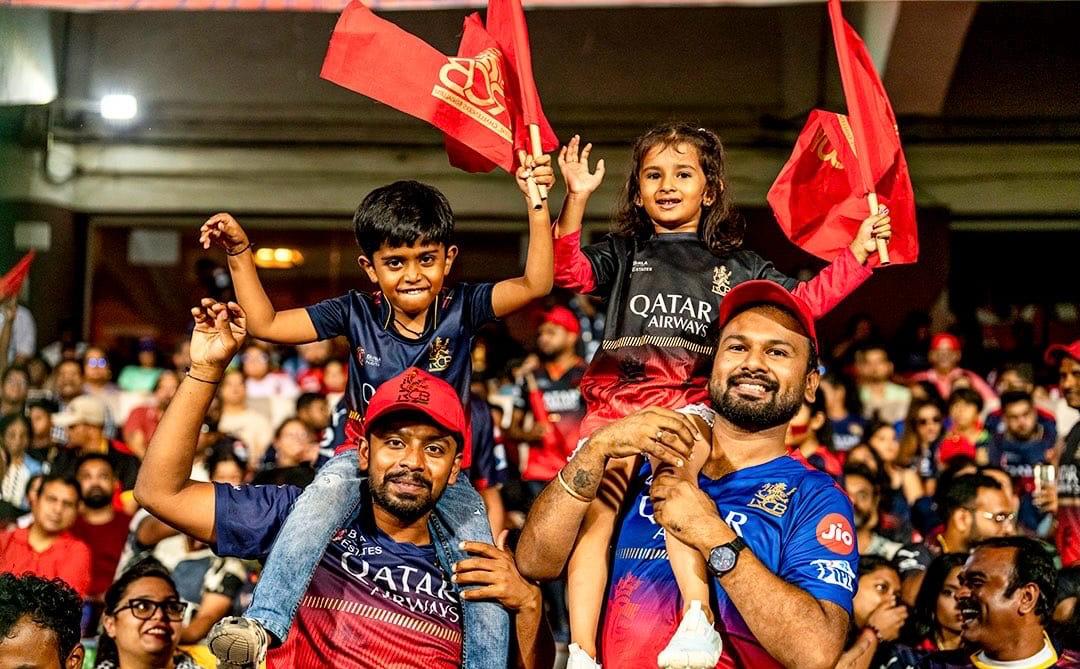
IPL Fan Engagement and Social Media

The Indian Premier League (IPL) has grown into one of the most influential cricket tournaments in the world. This article explores the topic of ipl fan engagement and social media and how it shapes the dynamics of modern T20 cricket. Teams participating in the league constantly experiment with tactics, preparation methods, and player roles to gain a competitive advantage. Modern franchises rely on detailed planning and preparation. Coaches, analysts, and players work together to evaluate performance metrics, pitch conditions, and opposition strategies. Over time, these efforts have transformed the league into a platform where innovation and tactical thinking are just as important as raw talent. Another factor that makes the IPL unique is the combination of experienced international players and young domestic cricketers. This mix allows new talents to learn quickly while contributing energy and fearlessness to their teams.

The result is a tournament filled with dramatic moments, tactical battles, and thrilling finishes. Technology also plays an important role in modern cricket preparation. Teams use video analysis, performance tracking, and statistical insights to improve decision making. By studying patterns in player performances and match situations, franchises can adapt their strategies to different conditions and opponents. Fans around the world follow the league not only for entertainment but also for the tactical evolution of the sport. Each season introduces new ideas such as innovative batting techniques, creative bowling variations, and improved fielding standards. These developments influence cricket beyond the IPL and often shape how the sport is played globally. Ultimately, success in the IPL depends on a team’s ability to adapt quickly. Teams that understand the importance of preparation, teamwork, and strategic planning are more likely to succeed over the course of a demanding tournament season.

The Indian Premier League (IPL) has grown into one of the most influential cricket tournaments in the world. This article explores the topic of ipl fan engagement and social media and how it shapes the dynamics of modern T20 cricket. Teams participating in the league constantly experiment with tactics, preparation methods, and player roles to gain a competitive advantage. Modern franchises rely on detailed planning and preparation. Coaches, analysts, and players work together to evaluate performance metrics, pitch conditions, and opposition strategies. Over time, these efforts have transformed the league into a platform where innovation and tactical thinking are just as important as raw talent. Another factor that makes the IPL unique is the combination of experienced international players and young domestic cricketers. This mix allows new talents to learn quickly while contributing energy and fearlessness to their teams.

The result is a tournament filled with dramatic moments, tactical battles, and thrilling finishes. Technology also plays an important role in modern cricket preparation. Teams use video analysis, performance tracking, and statistical insights to improve decision making. By studying patterns in player performances and match situations, franchises can adapt their strategies to different conditions and opponents. Fans around the world follow the league not only for entertainment but also for the tactical evolution of the sport. Each season introduces new ideas such as innovative batting techniques, creative bowling variations, and improved fielding standards.

These developments influence cricket beyond the IPL and often shape how the sport is played globally. Ultimately, success in the IPL depends on a team’s ability to adapt quickly. Teams that understand the importance of preparation, teamwork, and strategic planning are more likely to succeed over the course of a demanding tournament season. The Indian Premier League (IPL) has grown into one of the most influential cricket tournaments in the world. This article explores the topic of ipl fan engagement and social media and how it shapes the dynamics of modern T20 cricket. Teams participating in the league constantly experiment with tactics, preparation methods, and player roles to gain a competitive advantage. Modern franchises rely on detailed planning and preparation. Coaches, analysts, and players work together to evaluate performance metrics, pitch conditions, and opposition strategies. Over time, these efforts have transformed the league into a platform where innovation and tactical thinking are just as important as raw talent. Another factor that makes the IPL unique is the combination of experienced international players and young domestic cricketers.

This mix allows new talents to learn quickly while contributing energy and fearlessness to their teams. The result is a tournament filled with dramatic moments, tactical battles, and thrilling finishes. Technology also plays an important role in modern cricket preparation. Teams use video analysis, performance tracking, and statistical insights to improve decision making. By studying patterns in player performances and match situations, franchises can adapt their strategies

FAQ

Q: What makes the IPL so popular worldwide?

A: The IPL combines international stars, young domestic players, advanced broadcasting, and exciting match formats.

Q: How do IPL teams prepare for matches?

A: Teams analyze opponents, study pitch conditions, practice match scenarios, and use analytics for planning.

Q: Why are strategies important in T20 cricket?

A: Short match duration means tactical decisions such as bowling changes and batting order can quickly impact results.

Q: How does the IPL help young players?

A: Young players gain exposure by competing with experienced international cricketers.

Q: Does innovation in IPL influence global cricket?

A: Yes, strategies and techniques developed in the IPL often spread to other leagues and international cricket.

Conclusion

The IPL continues to influence modern cricket through strategy, innovation, and exciting performances. As teams refine their preparation and tactics, the league will remain one of the most important platforms for the evolution of T20 cricket.




The Evolution of Powerplay Batting in the IPL

The Indian Premier League has changed the way modern cricket is played and analyzed. Over the years the tournament has become a laboratory of innovation where teams constantly experiment with tactics, player roles, and match strategies. Coaches, analysts, and players spend countless hours studying performances to find even the smallest competitive advantage. One of the biggest reasons for the league’s popularity is the high intensity of T20 cricket. Every over matters, and a small moment can completely change the result of a match. Because of this, franchises invest heavily in preparation, sports science, and strategic planning. Modern IPL teams rely on a mix of experienced international stars and emerging domestic players. This blend creates an exciting environment where young talents learn from world‑class professionals while contributing fresh energy and fearless cricket. Another

major factor behind the IPL’s success is its ability to evolve every season. Teams constantly adjust strategies depending on pitch conditions, player form, and opposition strengths. Coaches and analysts review past matches, evaluate statistical trends, and create match simulations to prepare players for different situations. Technology has also played an important role in the league’s development. Performance tracking tools, video analysis, and advanced statistics help teams understand player strengths and weaknesses more clearly than ever before. With this information, captains can make better decisions regarding bowling changes, batting order adjustments, and field placements. Fans also benefit from this evolution. Matches have become more competitive and entertaining as teams push the boundaries of innovation. Whether it is explosive batting, clever bowling variations, or athletic

fielding, the IPL continues to redefine the standards of T20 cricket. Because the tournament attracts players from around the world, strategies from different cricketing cultures blend together. Australian aggression, English analytics, South African pace bowling traditions, and Indian spin mastery all combine to create a unique cricketing ecosystem. Ultimately the success of any IPL team depends on how well it adapts to pressure situations. Teams that remain flexible, confident, and tactically aware usually perform better across a long season. The combination of skill, planning, and execution is what separates champions from the rest of the competition. The Indian Premier League has changed the way modern cricket is played and analyzed. Over the years the tournament has become a laboratory of innovation where teams constantly experiment with tactics, player roles, and match strategies.

Coaches, analysts, and players spend countless hours studying performances to find even the smallest competitive advantage. One of the biggest reasons for the league’s popularity is the high intensity of T20 cricket. Every over matters, and a small moment can completely change the result of a match. Because of this, franchises invest heavily in preparation, sports science, and strategic planning. Modern IPL teams rely on a mix of experienced international stars and emerging domestic players. This blend creates an exciting environment where young talents learn from world‑class professionals while contributing fresh energy and fearless cricket. Another major factor behind the IPL’s success is its ability to evolve every season. Teams constantly adjust strategies depending on pitch conditions, player form, and opposition strengths. Coaches and analysts review past matches, evaluate

statistical trends, and create match simulations to prepare players for different situations. Technology has also played an important role in the league’s development. Performance tracking tools, video analysis, and advanced statistics help teams understand player strengths and weaknesses more clearly than ever before. With this information, captains can make better decisions regarding bowling changes, batting order adjustments, and field placements. Fans also benefit from this evolution. Matches have become more competitive and entertaining as teams push the boundaries of innovation. Whether it is explosive batting, clever bowling variations, or athletic fielding, the IPL continues to redefine the standards of T20 cricket. Because the tournament attracts players from around the world, strategies from different cricketing cultures blend together. Australian aggression, English analytics,

South African pace bowling traditions, and Indian spin mastery all combine to create a unique cricketing ecosystem. Ultimately the success of any IPL team depends on how well it adapts to pressure situations. Teams that remain flexible, confident, and tactically aware usually perform better across a long season. The combination of skill, planning, and execution is what separates champions from the rest of the competition. The Indian Premier League has changed the way modern cricket is played and analyzed. Over the years the tournament has become a laboratory of innovation where teams constantly experiment with tactics, player roles, and match strategies. Coaches, analysts, and players spend countless hours studying performances to find even

FAQ

Q: What makes the IPL different from other cricket leagues?

A: The IPL combines international star players, young domestic talent, high level broadcasting, and innovative strategies, making it the most competitive T20 league in the world.

Q: Why is strategy so important in T20 cricket?

A: Because matches are short and fast paced, strategic decisions such as batting order, bowling changes, and field placements can directly influence the result.

Q: How do teams prepare for IPL matches?

A: Teams analyze opposition players, practice different match scenarios, study pitch reports, and rely on analytics and coaching insights to prepare.

Q: Why do fans love the IPL so much?

A: The league offers thrilling finishes, powerful batting, global stars, and intense rivalries which make every match exciting to watch.

Q: Does IPL help young cricketers?

A: Yes, many young players gain international exposure and experience by playing alongside some of the best cricketers in the world.

Conclusion

The IPL continues to push the boundaries of modern cricket through innovation, strategy, and thrilling performances. As teams adapt to new tactics and technologies, the tournament will keep evolving and delivering unforgettable moments for cricket fans around the world.


How Data Analytics Is Transforming Strategies in the IPL

The Indian Premier League has changed the way modern cricket is played and analyzed. Over the years the tournament has become a laboratory of innovation where teams constantly experiment with tactics, player roles, and match strategies. Coaches, analysts, and players spend countless hours studying performances to find even the smallest competitive advantage. One of the biggest reasons for the league’s popularity is the high intensity of T20 cricket. Every over matters, and a small moment can completely change the result of a match. Because of this, franchises invest heavily in preparation, sports science, and strategic planning. Modern IPL teams rely on a mix of experienced international stars and emerging domestic players. This blend creates an exciting environment where young talents learn from world‑class professionals while contributing fresh energy and fearless cricket. Another

major factor behind the IPL’s success is its ability to evolve every season. Teams constantly adjust strategies depending on pitch conditions, player form, and opposition strengths. Coaches and analysts review past matches, evaluate statistical trends, and create match simulations to prepare players for different situations. Technology has also played an important role in the league’s development. Performance tracking tools, video analysis, and advanced statistics help teams understand player strengths and weaknesses more clearly than ever before. With this information, captains can make better decisions regarding bowling changes, batting order adjustments, and field placements. Fans also benefit from this evolution. Matches have become more competitive and entertaining as teams push the boundaries of innovation. Whether it is explosive batting, clever bowling variations, or athletic

fielding, the IPL continues to redefine the standards of T20 cricket. Because the tournament attracts players from around the world, strategies from different cricketing cultures blend together. Australian aggression, English analytics, South African pace bowling traditions, and Indian spin mastery all combine to create a unique cricketing ecosystem. Ultimately the success of any IPL team depends on how well it adapts to pressure situations. Teams that remain flexible, confident, and tactically aware usually perform better across a long season. The combination of skill, planning, and execution is what separates champions from the rest of the competition. The Indian Premier League has changed the way modern cricket is played and analyzed. Over the years the tournament has become a laboratory of innovation where teams constantly experiment with tactics, player roles, and match strategies.

Coaches, analysts, and players spend countless hours studying performances to find even the smallest competitive advantage. One of the biggest reasons for the league’s popularity is the high intensity of T20 cricket. Every over matters, and a small moment can completely change the result of a match. Because of this, franchises invest heavily in preparation, sports science, and strategic planning. Modern IPL teams rely on a mix of experienced international stars and emerging domestic players. This blend creates an exciting environment where young talents learn from world‑class professionals while contributing fresh energy and fearless cricket. Another major factor behind the IPL’s success is its ability to evolve every season. Teams constantly adjust strategies depending on pitch conditions, player form, and opposition strengths. Coaches and analysts review past matches, evaluate

statistical trends, and create match simulations to prepare players for different situations. Technology has also played an important role in the league’s development. Performance tracking tools, video analysis, and advanced statistics help teams understand player strengths and weaknesses more clearly than ever before. With this information, captains can make better decisions regarding bowling changes, batting order adjustments, and field placements. Fans also benefit from this evolution. Matches have become more competitive and entertaining as teams push the boundaries of innovation. Whether it is explosive batting, clever bowling variations, or athletic fielding, the IPL continues to redefine the standards of T20 cricket. Because the tournament attracts players from around the world, strategies from different cricketing cultures blend together. Australian aggression, English analytics,

South African pace bowling traditions, and Indian spin mastery all combine to create a unique cricketing ecosystem. Ultimately the success of any IPL team depends on how well it adapts to pressure situations. Teams that remain flexible, confident, and tactically aware usually perform better across a long season. The combination of skill, planning, and execution is what separates champions from the rest of the competition. The Indian Premier League has changed the way modern cricket is played and analyzed. Over the years the tournament has become a laboratory of innovation where teams constantly experiment with tactics, player roles, and match strategies. Coaches, analysts, and players spend countless hours studying performances to find even

FAQ

Q: What makes the IPL different from other cricket leagues?

A: The IPL combines international star players, young domestic talent, high level broadcasting, and innovative strategies, making it the most competitive T20 league in the world.

Q: Why is strategy so important in T20 cricket?

A: Because matches are short and fast paced, strategic decisions such as batting order, bowling changes, and field placements can directly influence the result.

Q: How do teams prepare for IPL matches?

A: Teams analyze opposition players, practice different match scenarios, study pitch reports, and rely on analytics and coaching insights to prepare.

Q: Why do fans love the IPL so much?

A: The league offers thrilling finishes, powerful batting, global stars, and intense rivalries which make every match exciting to watch.

Q: Does IPL help young cricketers?

A: Yes, many young players gain international exposure and experience by playing alongside some of the best cricketers in the world.

Conclusion

The IPL continues to push the boundaries of modern cricket through innovation, strategy, and thrilling performances. As teams adapt to new tactics and technologies, the tournament will keep evolving and delivering unforgettable moments for cricket fans around the world.


IPL Home vs Away Advantage Analysis 2026 | Venue-Based Betting Strategy Guide

IPL Home vs Away Advantage Analysis 2026

Complete Venue-Based Strategy for Smarter Match Predictions

The Indian Premier League (IPL) is known for explosive batting, world-class bowling, and unpredictable finishes. But beyond star players and team form, one strategic factor often influences match outcomes — home vs away advantage.

Does playing at home really improve a team’s winning chances?

Or is it just a psychological narrative repeated every season?

In this detailed IPL venue-based analysis, we break down historical patterns, team behavior, crowd influence, pitch familiarity, and travel impact to understand how home advantage truly affects match outcomes.

If you want to analyze IPL matches with structure rather than emotion, this guide will help you think strategically.


What Is Home Advantage in IPL?

Home advantage refers to the benefit a team receives when playing at its designated home stadium during the IPL season.

This advantage can come from:

• Familiar pitch conditions
• Crowd support
• Travel comfort
• Practice routines
• Knowledge of ground dimensions

But how strong is this advantage statistically?


Historical IPL Home vs Away Trends

Across multiple IPL seasons:

• Home teams win approximately 52–58% of matches.
• Certain teams dominate at specific venues.
• Some teams perform equally well away from home.

This indicates home advantage exists — but it varies by team and venue.

It is not universal.


Why Home Advantage Exists in IPL

1️⃣ Pitch Familiarity

Teams practice extensively at their home venue.

They understand:

• Bounce behavior
• Spin assistance
• Boundary sizes
• Outfield speed

For example:

A team playing regularly on a slow surface may build a spin-heavy bowling attack.

At home, that strategy becomes highly effective.


2️⃣ Crowd Influence

Crowd energy affects:

• Player morale
• Umpire pressure (subconsciously)
• Momentum swings

When a home crowd supports aggressively:

• Fielders feel energized
• Batters gain confidence
• Bowlers get pumped during key overs

Psychological lift is real in high-intensity matches.


3️⃣ Reduced Travel Fatigue

Away teams often:

• Travel frequently
• Adjust to new climate
• Adapt to unfamiliar conditions

Home teams:

• Stay in known environment
• Follow comfortable routine
• Experience less fatigue

Over a long IPL season, this consistency matters.


Venue-Specific Home Dominance Patterns

Some IPL venues historically show stronger home advantage.

Chennai – Spin-Friendly Fortress

Traditionally slower pitch.

Home team often builds squad around spin bowlers and anchors.

Result:

Home team frequently dominates on slow surfaces.


Mumbai – High Scoring Familiarity

Flat pitch, shorter boundaries.

Home team understands dew patterns better than visiting sides.

Result:

Strong home chasing performance.


Kolkata – Balanced Surface

Home advantage moderate.

Pitch generally balanced, so team quality matters more than venue.


Delhi – Batting Paradise

Short boundaries benefit aggressive batting lineups.

Home side often comfortable chasing large totals.


Each venue behaves differently, so home advantage is situational.


When Home Advantage Is Overrated

There are situations where home advantage becomes less significant:

✔ Neutral venues used during certain seasons
✔ Playoff matches held at alternative grounds
✔ Extremely strong away teams
✔ Balanced pitches without extreme conditions

For example:

If a strong batting team plays away on a flat pitch, they may dominate regardless of venue.


Statistical Breakdown: Home vs Away Winning Patterns

Observations across recent seasons show:

• Top-performing teams often maintain strong away records.
• Lower-ranked teams rely more heavily on home wins.
• Balanced squads perform consistently in both environments.

This suggests that elite teams are less dependent on home advantage.


Psychological Pressure at Home

Interestingly, home advantage can sometimes create pressure.

When:

• Fans expect victory
• Team loses early wickets
• Momentum shifts

The psychological burden increases.

Some teams struggle to handle home crowd expectations.

So home advantage can sometimes become home pressure.


Toss Interaction with Home Advantage

Home advantage strengthens when combined with:

• Favorable toss decision
• Familiar pitch behavior
• Expected dew patterns

For example:

Home team wins toss on known chasing ground with heavy dew forecast.

This compounds the advantage.

But if toss goes against home team, advantage reduces slightly.


Tactical Squad Building Around Home Venue

Smart IPL franchises design squads according to home pitch.

Examples:

• Slow pitch → More spinners, anchor batters
• Flat pitch → Power hitters, death bowlers
• Seaming pitch → Fast bowling depth

When team selection matches home pitch conditions, advantage increases.


Home Advantage in Playoffs

Important observation:

Home advantage often disappears in playoffs because:

• Matches may be held at neutral venues
• Pressure levels increase
• Opponent quality is high

So while home dominance matters in league stage, its influence reduces in knockout matches.


How to Use Home vs Away Data Strategically

Before analyzing an IPL match:

  1. Check home team’s win percentage at venue.
  2. Compare away team’s away record.
  3. Review pitch history.
  4. Study last 3 meetings at that ground.
  5. Evaluate squad suitability to venue.

Structured preparation improves predictive clarity.


Example Scenario Analysis

Scenario:

Home Team:
• 70% win rate at venue
• Strong spin attack
• Pitch traditionally slow

Away Team:
• Struggles against spin
• Poor record at same venue

Probability leans toward home side — assuming similar form.

But if away team recently strengthened spin resistance, advantage narrows.

Always update analysis with current data.


When Away Teams Have Advantage

Sometimes away teams benefit due to:

• Less pressure
• Underdog mindset
• Tactical surprises
• Fresh pitch conditions

In T20 cricket, small margins can shift quickly.

Never assume home team automatically wins.


Long-Term Strategic Insight

Over a full IPL season:

• Home advantage provides small statistical edge.
• Combining venue familiarity + squad suitability strengthens predictions.
• Ignoring venue trends reduces analytical accuracy.

Home advantage is a variable — not a guarantee.


Responsible Betting Reminder

Even strong home trends can break:

• Exceptional innings
• Unexpected collapses
• Weather disruptions
• Super over scenarios

Maintain disciplined bankroll management.

Do not overexpose based solely on venue narrative.


Final Conclusion

IPL home vs away advantage is real — but situational.

It becomes strongest when:

✔ Pitch suits home squad
✔ Crowd support energizes team
✔ Toss aligns with venue trend

It weakens when:

✔ Teams are evenly matched
✔ Pitch is neutral
✔ Playoff pressure dominates

Smart IPL analysis combines:

Venue History + Team Composition + Current Form + Toss Impact

When used strategically, home vs away analysis becomes a powerful decision-making tool rather than a superficial statistic.


Frequently Asked Questions (FAQ)

1. Do home teams win more in IPL?
Yes, historically home teams win slightly more than away teams, but the margin is not overwhelming.


2. Is home advantage stronger at certain venues?
Yes. Spin-friendly or condition-specific venues often increase home dominance.


3. Does home advantage matter in IPL playoffs?
Less than league matches, especially when playoffs are played at neutral venues.


4. Should betting decisions rely only on home advantage?
No. Combine venue data with team form, pitch report, and toss outcome.


5. Can away teams dominate IPL?
Yes. Strong, well-balanced teams often maintain excellent away records.


IPL Pitch Report Analysis


IPL Pitch Report Analysis Guide 2026

Complete Venue-Based Strategy for Smarter Cricket Betting

The Indian Premier League (IPL) is one of the most competitive and unpredictable T20 tournaments in the world. While most bettors focus on star players and recent team form, experienced analysts understand that the real edge often lies in pitch report analysis.

In IPL 2026, venue conditions will once again play a decisive role in determining match totals, wicket patterns, and overall momentum. This guide explains how to properly analyze IPL pitch reports and use them strategically without relying on guesswork.


Why Pitch Report Is Critical in IPL Matches

Every IPL venue has unique characteristics. Unlike bilateral series played in limited venues, IPL matches are hosted across multiple cities in India.

Pitch conditions influence:

• Total runs scored
• Powerplay scoring patterns
• Spinner vs pacer effectiveness
• Wicket frequency
• Chase vs defend success rate

Ignoring pitch conditions often leads to emotional betting decisions instead of data-driven ones.


Types of IPL Pitches and Their Impact

1️⃣ Flat Batting Surface

These pitches are hard, evenly rolled, and offer consistent bounce.

Key Features:
• Minimal lateral movement
• Ball comes nicely onto the bat
• Shorter boundaries in some venues

Match Impact:
• High scoring matches
• 180+ totals common
• Strong benefit to aggressive top-order batters

On such pitches, matches often become batting contests rather than bowling battles.


2️⃣ Slow and Dry Surface

These pitches are common in certain Indian venues where the surface is dry and slightly cracked.

Key Features:
• Ball grips and turns
• Slower pace
• Uneven bounce in later stages

Match Impact:
• Totals between 150–170
• Spinners dominate middle overs
• Batters struggle after powerplay

These matches often reward patient batting rather than aggressive stroke play.


3️⃣ Seaming or Green Surface

Less common in IPL but possible early in the season.

Key Features:
• Grass covering
• Early swing
• Seam movement

Match Impact:
• Early wickets
• Lower powerplay scores
• Strong advantage for quality fast bowlers

Understanding this type of pitch helps anticipate a lower scoring contest.


Venue-Wise General Tendencies in IPL

Although pitches can vary year to year, historical patterns provide guidance.

Mumbai
• True bounce
• High scoring
• Dew often plays a major role

Chennai
• Traditionally slow
• Assists spinners
• Lower scoring compared to Mumbai

Kolkata
• Balanced conditions
• Batting-friendly early
• Slows slightly later

Delhi
• Short boundaries
• High scoring potential

Hyderabad
• Mixed behavior
• Often slightly slower surface

Studying past seasons helps identify patterns before match day.


How to Read Pitch Reports Properly

Before the toss, commentators and experts share pitch observations. Instead of passively listening, focus on these clues:

• “Hard and even surface” → Likely high scoring
• “Cracks visible” → May assist spinners later
• “Grass cover retained” → Early seam movement possible
• “Used surface” → Slower and lower bounce

These insights help form pre-match expectations.


Dew Factor and Night Matches

Dew significantly affects night games in IPL.

When dew is expected:
• Bowlers struggle with grip
• Spinners become less effective
• Chasing becomes easier

When dew is absent:
• Pitch remains consistent
• Defending totals becomes more viable

Always factor weather conditions into your analysis.


Toss and Pitch Relationship

Pitch type often influences toss decisions.

On slow surfaces:
• Captains may prefer batting first to avoid deteriorating conditions.

On dew-prone grounds:
• Teams prefer chasing.

Observing historical toss decisions at specific venues can reveal patterns.


Combining Pitch Data with Team Strength

Pitch alone does not guarantee accurate prediction. Combine it with:

• Team batting depth
• Spin resources
• Death bowling ability
• Recent form

Example:

If pitch supports spin and one team has quality spin options, their advantage increases significantly.


Advanced Analytical Approach

To improve decision-making:

  1. Study last 5 IPL matches at same venue.
  2. Note average first innings score.
  3. Identify common wicket-taking phases.
  4. Observe boundary dimensions.
  5. Monitor weather forecast before match.

Structured preparation leads to better judgment.


Common Mistakes to Avoid

• Ignoring pitch report completely
• Following crowd bias
• Betting before toss on dew-heavy grounds
• Overreacting to one over of play
• Assuming every IPL match will be high scoring

IPL conditions vary widely; assumptions reduce accuracy.


Example Scenario Analysis

Scenario 1:
Venue average first innings score: 165
Market total line: 185

This difference indicates potential value on lower totals if conditions remain consistent.

Scenario 2:
Pitch described as dry and slow
Team A has 3 quality spinners
Team B struggles against spin

Strategic decision-making becomes clearer.


Long-Term Advantage of Pitch-Based Strategy

Over a full IPL season:

• Data-driven decisions outperform emotional betting
• Venue analysis reduces randomness
• Risk exposure becomes more controlled

Pitch understanding builds consistent thinking.


Responsible Approach Reminder

Even with perfect pitch reading:

• Cricket remains unpredictable
• One exceptional innings can change match flow

Always:

• Set a fixed budget
• Avoid chasing losses
• Stay disciplined
• Focus on long-term strategy


Conclusion

IPL 2026 will once again showcase diverse playing conditions across India. Pitch report analysis is not just commentary detail—it is a strategic advantage.

Smart decision-making requires:

Pitch Type + Venue History + Team Combination + Toss Impact

When you analyze these elements together, your betting decisions become structured rather than speculative.

Mastering pitch behavior is one of the strongest foundations for consistent IPL betting strategy.


Frequently Asked Questions (FAQ)

1. How important is pitch report in IPL betting?
It is extremely important because pitch conditions directly influence scoring patterns, wicket fall, and match outcome probabilities.


2. Which IPL venue produces highest scores?
Historically, Mumbai and Delhi have produced higher scoring matches due to flatter pitches and shorter boundaries.


3. Does pitch change during the match?
Yes. Some pitches slow down as the game progresses, especially in hot and dry conditions.


4. Should I wait for toss before betting?
If dew or pitch deterioration is expected, waiting for toss provides better clarity.


5. Is pitch analysis alone enough?
No. Combine pitch study with team form, player matchups, and weather conditions.