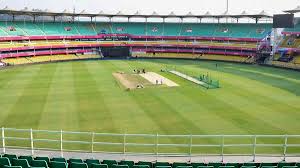
IPL Home vs Away Advantage Analysis 2026
Complete Venue-Based Strategy for Smarter Match Predictions
The Indian Premier League (IPL) is known for explosive batting, world-class bowling, and unpredictable finishes. But beyond star players and team form, one strategic factor often influences match outcomes — home vs away advantage.
Does playing at home really improve a team’s winning chances?
Or is it just a psychological narrative repeated every season?
In this detailed IPL venue-based analysis, we break down historical patterns, team behavior, crowd influence, pitch familiarity, and travel impact to understand how home advantage truly affects match outcomes.
If you want to analyze IPL matches with structure rather than emotion, this guide will help you think strategically.
What Is Home Advantage in IPL?
Home advantage refers to the benefit a team receives when playing at its designated home stadium during the IPL season.
This advantage can come from:
• Familiar pitch conditions
• Crowd support
• Travel comfort
• Practice routines
• Knowledge of ground dimensions
But how strong is this advantage statistically?
Historical IPL Home vs Away Trends
Across multiple IPL seasons:
• Home teams win approximately 52–58% of matches.
• Certain teams dominate at specific venues.
• Some teams perform equally well away from home.
This indicates home advantage exists — but it varies by team and venue.
It is not universal.
Why Home Advantage Exists in IPL
1️⃣ Pitch Familiarity
Teams practice extensively at their home venue.
They understand:
• Bounce behavior
• Spin assistance
• Boundary sizes
• Outfield speed
For example:
A team playing regularly on a slow surface may build a spin-heavy bowling attack.
At home, that strategy becomes highly effective.
2️⃣ Crowd Influence
Crowd energy affects:
• Player morale
• Umpire pressure (subconsciously)
• Momentum swings
When a home crowd supports aggressively:
• Fielders feel energized
• Batters gain confidence
• Bowlers get pumped during key overs
Psychological lift is real in high-intensity matches.
3️⃣ Reduced Travel Fatigue
Away teams often:
• Travel frequently
• Adjust to new climate
• Adapt to unfamiliar conditions
Home teams:
• Stay in known environment
• Follow comfortable routine
• Experience less fatigue
Over a long IPL season, this consistency matters.
Venue-Specific Home Dominance Patterns
Some IPL venues historically show stronger home advantage.
Chennai – Spin-Friendly Fortress
Traditionally slower pitch.
Home team often builds squad around spin bowlers and anchors.
Result:
Home team frequently dominates on slow surfaces.
Mumbai – High Scoring Familiarity
Flat pitch, shorter boundaries.
Home team understands dew patterns better than visiting sides.
Result:
Strong home chasing performance.
Kolkata – Balanced Surface
Home advantage moderate.
Pitch generally balanced, so team quality matters more than venue.
Delhi – Batting Paradise
Short boundaries benefit aggressive batting lineups.
Home side often comfortable chasing large totals.
Each venue behaves differently, so home advantage is situational.
When Home Advantage Is Overrated
There are situations where home advantage becomes less significant:
✔ Neutral venues used during certain seasons
✔ Playoff matches held at alternative grounds
✔ Extremely strong away teams
✔ Balanced pitches without extreme conditions
For example:
If a strong batting team plays away on a flat pitch, they may dominate regardless of venue.
Statistical Breakdown: Home vs Away Winning Patterns
Observations across recent seasons show:
• Top-performing teams often maintain strong away records.
• Lower-ranked teams rely more heavily on home wins.
• Balanced squads perform consistently in both environments.
This suggests that elite teams are less dependent on home advantage.
Psychological Pressure at Home
Interestingly, home advantage can sometimes create pressure.
When:
• Fans expect victory
• Team loses early wickets
• Momentum shifts
The psychological burden increases.
Some teams struggle to handle home crowd expectations.
So home advantage can sometimes become home pressure.
Toss Interaction with Home Advantage
Home advantage strengthens when combined with:
• Favorable toss decision
• Familiar pitch behavior
• Expected dew patterns
For example:
Home team wins toss on known chasing ground with heavy dew forecast.
This compounds the advantage.
But if toss goes against home team, advantage reduces slightly.
Tactical Squad Building Around Home Venue
Smart IPL franchises design squads according to home pitch.
Examples:
• Slow pitch → More spinners, anchor batters
• Flat pitch → Power hitters, death bowlers
• Seaming pitch → Fast bowling depth
When team selection matches home pitch conditions, advantage increases.
Home Advantage in Playoffs
Important observation:
Home advantage often disappears in playoffs because:
• Matches may be held at neutral venues
• Pressure levels increase
• Opponent quality is high
So while home dominance matters in league stage, its influence reduces in knockout matches.
How to Use Home vs Away Data Strategically
Before analyzing an IPL match:
- Check home team’s win percentage at venue.
- Compare away team’s away record.
- Review pitch history.
- Study last 3 meetings at that ground.
- Evaluate squad suitability to venue.
Structured preparation improves predictive clarity.
Example Scenario Analysis
Scenario:
Home Team:
• 70% win rate at venue
• Strong spin attack
• Pitch traditionally slow
Away Team:
• Struggles against spin
• Poor record at same venue
Probability leans toward home side — assuming similar form.
But if away team recently strengthened spin resistance, advantage narrows.
Always update analysis with current data.
When Away Teams Have Advantage
Sometimes away teams benefit due to:
• Less pressure
• Underdog mindset
• Tactical surprises
• Fresh pitch conditions
In T20 cricket, small margins can shift quickly.
Never assume home team automatically wins.
Long-Term Strategic Insight
Over a full IPL season:
• Home advantage provides small statistical edge.
• Combining venue familiarity + squad suitability strengthens predictions.
• Ignoring venue trends reduces analytical accuracy.
Home advantage is a variable — not a guarantee.
Responsible Betting Reminder
Even strong home trends can break:
• Exceptional innings
• Unexpected collapses
• Weather disruptions
• Super over scenarios
Maintain disciplined bankroll management.
Do not overexpose based solely on venue narrative.
Final Conclusion
IPL home vs away advantage is real — but situational.
It becomes strongest when:
✔ Pitch suits home squad
✔ Crowd support energizes team
✔ Toss aligns with venue trend
It weakens when:
✔ Teams are evenly matched
✔ Pitch is neutral
✔ Playoff pressure dominates
Smart IPL analysis combines:
Venue History + Team Composition + Current Form + Toss Impact
When used strategically, home vs away analysis becomes a powerful decision-making tool rather than a superficial statistic.
Frequently Asked Questions (FAQ)
1. Do home teams win more in IPL?
Yes, historically home teams win slightly more than away teams, but the margin is not overwhelming.
2. Is home advantage stronger at certain venues?
Yes. Spin-friendly or condition-specific venues often increase home dominance.
3. Does home advantage matter in IPL playoffs?
Less than league matches, especially when playoffs are played at neutral venues.
4. Should betting decisions rely only on home advantage?
No. Combine venue data with team form, pitch report, and toss outcome.
5. Can away teams dominate IPL?
Yes. Strong, well-balanced teams often maintain excellent away records.